

Walking the Heath in Winter: What to Look For When the Purple Is Gone
Outdoor Exploration | September 25, 2026
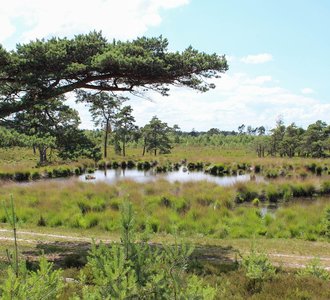
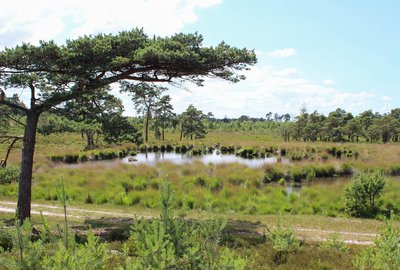
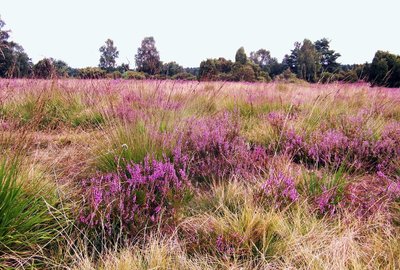
Most people visit heathland in August, when the heather is in full flower and the whole landscape seems to hum. That is understandable. But winter on the heath is a different pleasure altogether, and in some ways a deeper one. With the purple gone and the vegetation low, the shape of the land shows through. You can see how the heath rolls, where the wet hollows lie, how the paths thread between stands of birch and pine. It is a season for reading the landscape rather than simply admiring it.
The first thing you notice in winter is silence—or rather, a different kind of sound. The churring nightjars are long gone, back in Africa. The bees and butterflies have vanished. What remains is wind in dry bracken, the call of a stonechat, the sudden clatter of a wood pigeon, and the crunch of frost underfoot. It is a quieter, sterner heath, and it rewards slow walking.
Wildlife in the Cold Months
Winter is surprisingly good for birds. Stonechats—smart little birds with black heads, white collars, and orange breasts—are resident on many heaths and are easier to see when the vegetation is low. They perch on top of gorse and heather stems, flicking their tails and giving a sharp 'tack tack' call. Dartford warblers, once confined to the south, have spread with milder winters; they skulk in dense gorse but often betray themselves with a scratchy, hurried song on sunny days.
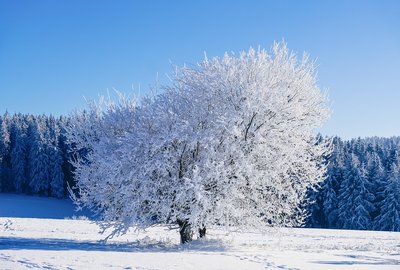
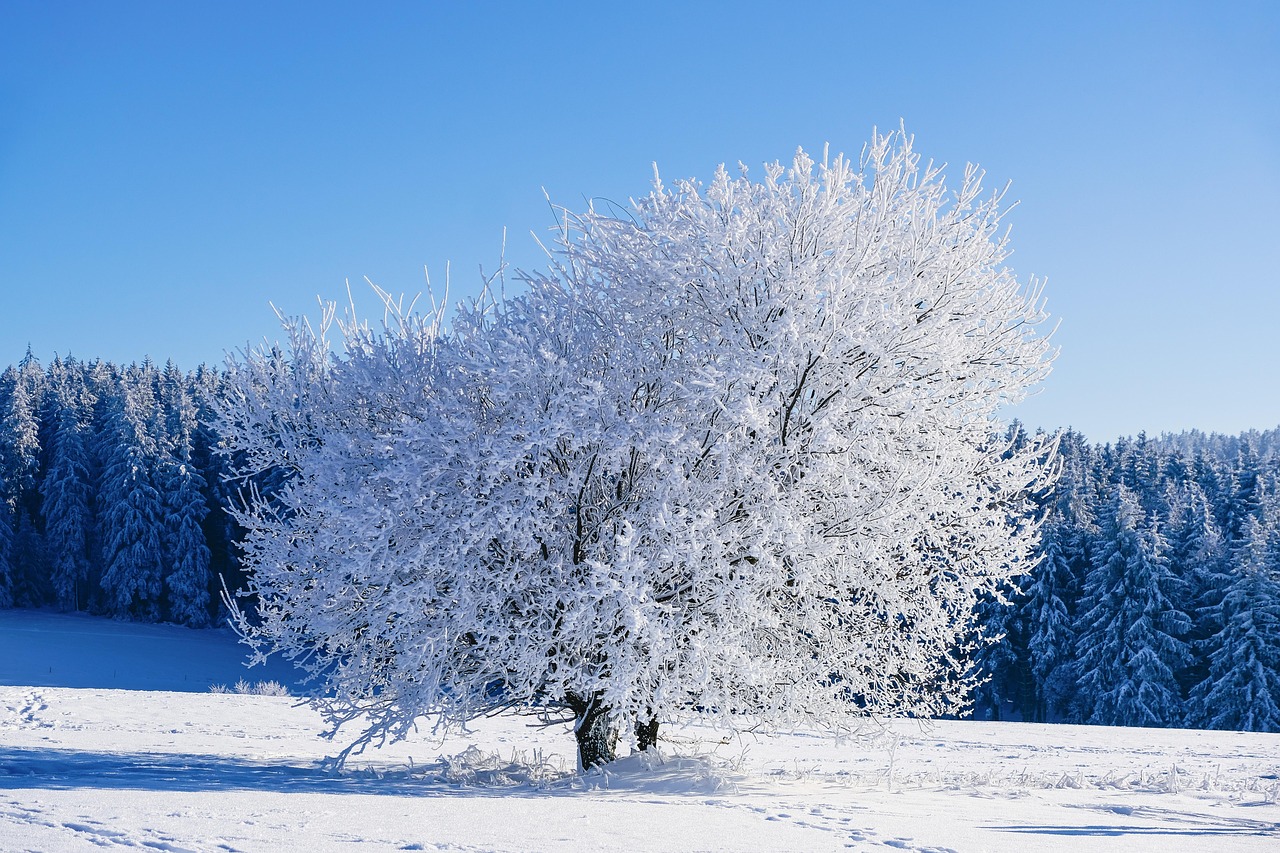
Look for tracks in frost or light snow. Fox, deer, rabbit, and occasionally badger all move across heathland, and their trails often follow the same routes as human paths. The muddy edges of ponds and ditches are worth checking for otter spraint and prints. And if there is a hard frost, the heather itself becomes a subject: each tiny leaf rimed with white, the whole plant transformed into something almost coral-like.
Winter is also the best time to see the heath's structure. Without leaves on the birches, you can trace the old boundaries, the lines of drainage ditches, the patches where grazing has kept the sward short, and the blocks of scrub that conservation teams are slowly pushing back. You begin to see the heath as a managed place, not a wild one—and to appreciate the work that keeps it open.
Practicalities and Pleasures
Walking the heath in winter needs a little more preparation than a summer stroll. Ground can be boggy, especially in the wet hollows where cross-leaved heath grows, so waterproof boots are essential. Weather changes fast on open ground; a windproof layer and a hat make a real difference. Days are short, so plan routes that finish well before dusk unless you know the area and have a good torch.
Stay on paths where possible. Winter is a vulnerable time for wildlife: birds are conserving energy, and disturbance can be costly. Keep dogs close and under control, especially near gorse where Dartford warblers may be roosting. And take your time. Winter heathland is not a spectacle in the way that summer heather is; it is a place of small details—frost patterns, tracks, the shapes of trees against a low sun.
Go out on a clear, cold morning, and you may find you have the whole place to yourself. The heath in winter is not sleeping. It is simply holding its breath, waiting for the first warm days of spring—and inviting you to look a little closer in the meantime.


Heathland Herald
Fire is one of the most misunderstood forces on the heath—dangerous when uncontrolled, but a traditional management tool when used with care.