
Heathland Mammals: The Secretive Residents of the Scrub
Wildlife | September 13, 2026
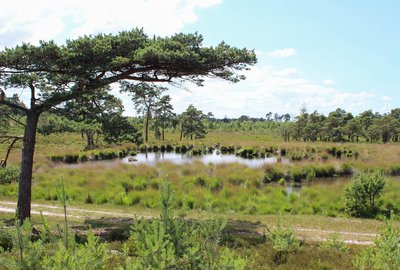
Heathlands may not boast the large predators of a savannah, but they are home to a fascinating array of mammals, many of which are nocturnal or shy. These creatures play vital roles in the ecosystem, from dispersing seeds to controlling insect populations. Spotting them requires patience and a bit of know-how, but the rewards are well worth the effort. Whether you are a casual walker or a dedicated naturalist, learning about heathland mammals adds a new dimension to your outdoor explorations.
Hoofed Herbivores: Deer and Their Impact
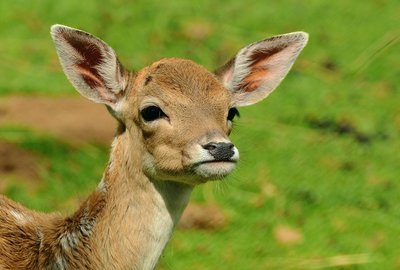
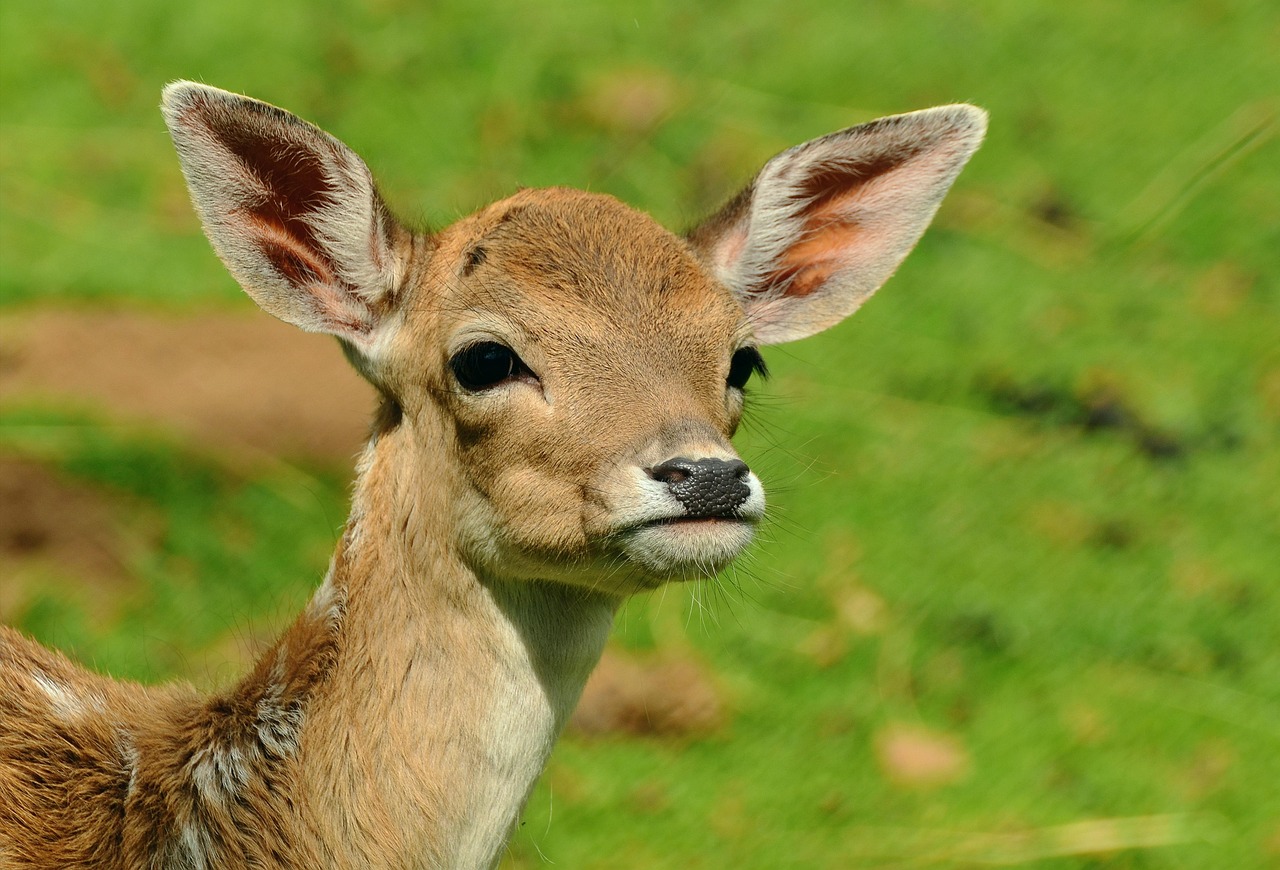
Roe deer are the most common deer species on many heathlands. They are small, elegant, and reddish-brown in summer, turning grey in winter. Roe deer browse on young heather shoots, grasses, and shrubs, and their grazing can help maintain open habitats. However, in high numbers, they can strip vegetation and prevent heather regeneration, posing a challenge for conservationists. Fallow deer, with their spotted coats and palmate antlers, are also found on some heathlands, particularly in southern England. Red deer, the largest land mammal in Britain, may visit heathlands adjacent to woodland or moorland.
These deer are crepuscular, meaning they are most active at dawn and dusk. To spot them, find a quiet vantage point and scan the edges of scrub or woodland where they retreat during the day. Listen for the barking alarm call of a roe deer or the rustle of hooves in the undergrowth. Remember to keep your distance and never approach or feed them—wild deer are easily stressed and can become aggressive if cornered.
Small but Mighty: Rodents, Insectivores, and Carnivores
The smaller mammals of the heath are even more secretive. Bank voles and field voles scurry through the grass, creating runways that are often the only sign of their presence. Wood mice and yellow-necked mice are more arboreal, climbing shrubs to find seeds and berries. These rodents are a vital food source for owls, kestrels, and foxes. Shrews, such as the common shrew and pygmy shrew, are insectivores that live fast and die young, their high metabolism requiring almost constant eating. They are rarely seen but can be heard rustling in leaf litter.
Among the carnivores, the stoat and weasel are the most likely to be encountered. These slender, agile hunters prey on rabbits, voles, and even young birds. In winter, stoats in northern regions may turn white, blending into the snow. Foxes are adaptable and often visit heathlands at night, their eerie screams echoing across the open landscape. Badgers may also forage on heathlands, digging for earthworms and beetle larvae. Bats, such as the common pipistrelle and the noctule, hunt insects over heathland at dusk, using echolocation to navigate and catch prey.
Conserving these mammals means protecting their habitats from fragmentation and disturbance. Hedgerows, scrub, and dead wood provide shelter and food. Pesticides and rodenticides can poison them indirectly, so avoiding these chemicals in gardens and on farmland helps. By supporting heathland conservation, you are helping to ensure that these secretive residents continue to thrive, even if we rarely see them.


Heathland Herald
From spring birdsong to winter frosts, each season on the heath brings its own unique wildlife spectacles.