The Quiet Architects: How Grazing Animals Shape the Heathland
Conservation | October 4, 2026
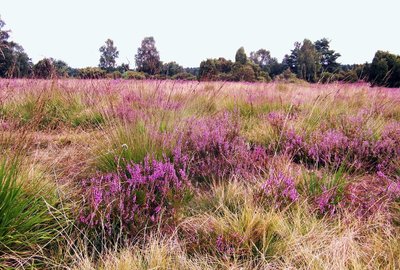
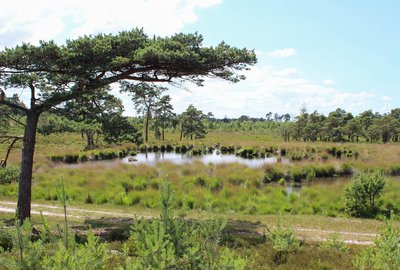
Walk across a lowland heath in late summer and you might hear them before you see them: the soft tearing of grass, the occasional snort, the clink of a bell in the distance. Grazing animals have been part of heathland landscapes for centuries, and without them, these open, purple-carpeted expanses would quietly disappear. It is one of the great ironies of conservation that a habitat so often described as wild is, in fact, deeply dependent on human management—and on the appetites of livestock.
Heathland is what ecologists sometimes call a plagioclimax: a stable community maintained not by climate alone, but by disturbance. Left entirely to its own devices, heather will gradually give way to birch, pine, and bracken, and within a few decades the open heath becomes woodland. The species that depend on heathland—nightjars, Dartford warblers, sand lizards, silver-studded blue butterflies—need the open structure that grazing preserves. Without it, they lose the warm, bare ground and low, patchy vegetation they cannot live without.
What the Animals Actually Do
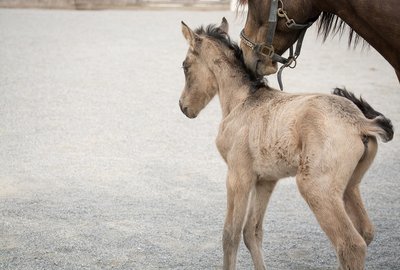
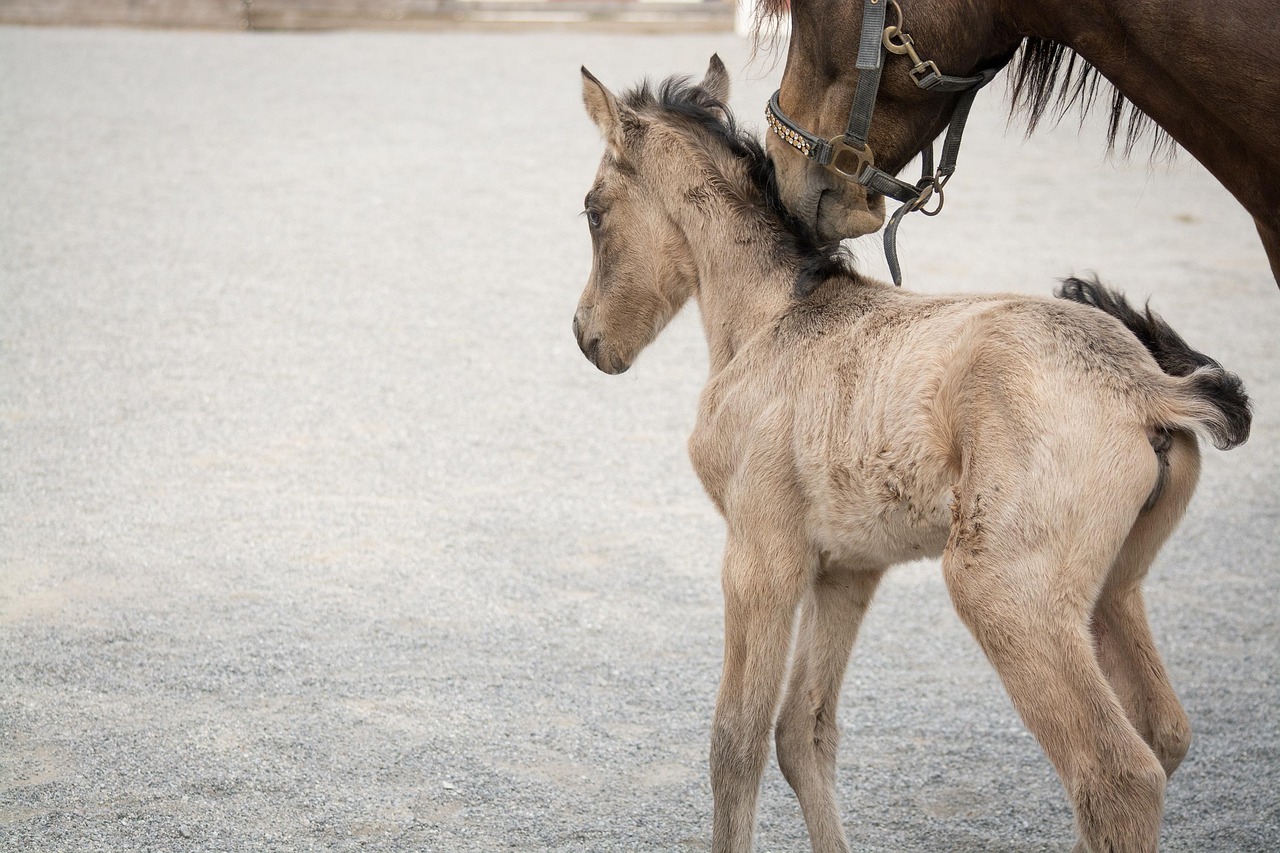
Different grazers shape the heath in different ways. Sheep are precise nibblers, cropping grass and young heather shoots close to the ground and creating a short, tight sward. Hardy breeds like Hebridean or Wiltshire Horn are particularly suited to poor forage. Ponies, such as the Exmoor or Dartmoor, are bulk grazers with a taste for coarse grasses; they leave behind tussocks and dung patches that become microhabitats in themselves. Cattle, meanwhile, are heavy-footed and messy, and that is exactly their value—their hooves poach the ground, opening bare patches where heather seed can germinate and where invertebrates can bask.
The result is a mosaic: short grazed lawns, taller stands of heather, scattered scrub, and bare ground all packed together. That patchwork is the whole point. A uniform heath, however beautiful in a photograph, supports far less life than one that is uneven, scruffy, and constantly being nudged in different directions by different mouths.
Why It Is Harder Than It Sounds
Modern grazing on heathland is a balancing act. Too few animals and the scrub wins; too many and the heather is grazed to the bone, the ground is enriched with dung, and the delicate nutrient-poor conditions that make heathland special begin to break down. Conservation grazing schemes therefore move animals around, adjust numbers season by season, and often rely on volunteers and graziers working together with wildlife trusts and local authorities. Fencing, water supplies, and public access all have to be considered, and a single escaped pony can cause more excitement in a village than any rare bird.
There is also a cultural dimension. Commoners' rights to graze animals on heathland date back centuries, and in places those rights still exist. Supporting them is not nostalgia; it is practical conservation. When grazing disappears, so does the knowledge of how to manage it, and that knowledge is far harder to restore than a fence line.
So next time you see a pony standing knee-deep in heather, blinking at the camera, remember what it is really doing. It is not just decorating the landscape. It is holding it open, patch by patch, keeping the heath from closing over—and quietly making sure the nightjar has somewhere to return to next spring.
-

-
After the Fire: How Heathland Recovers and Why It Sometimes Needs a Spark
Aug 26, 2026Outdoor Exploration

-


Heathland Herald
Few sounds say 'heathland summer evening' more clearly than the eerie, purring churr of a nightjar.