

A Year on the Heath: Seasonal Highlights for Nature Lovers
Outdoor Exploration | September 10, 2026
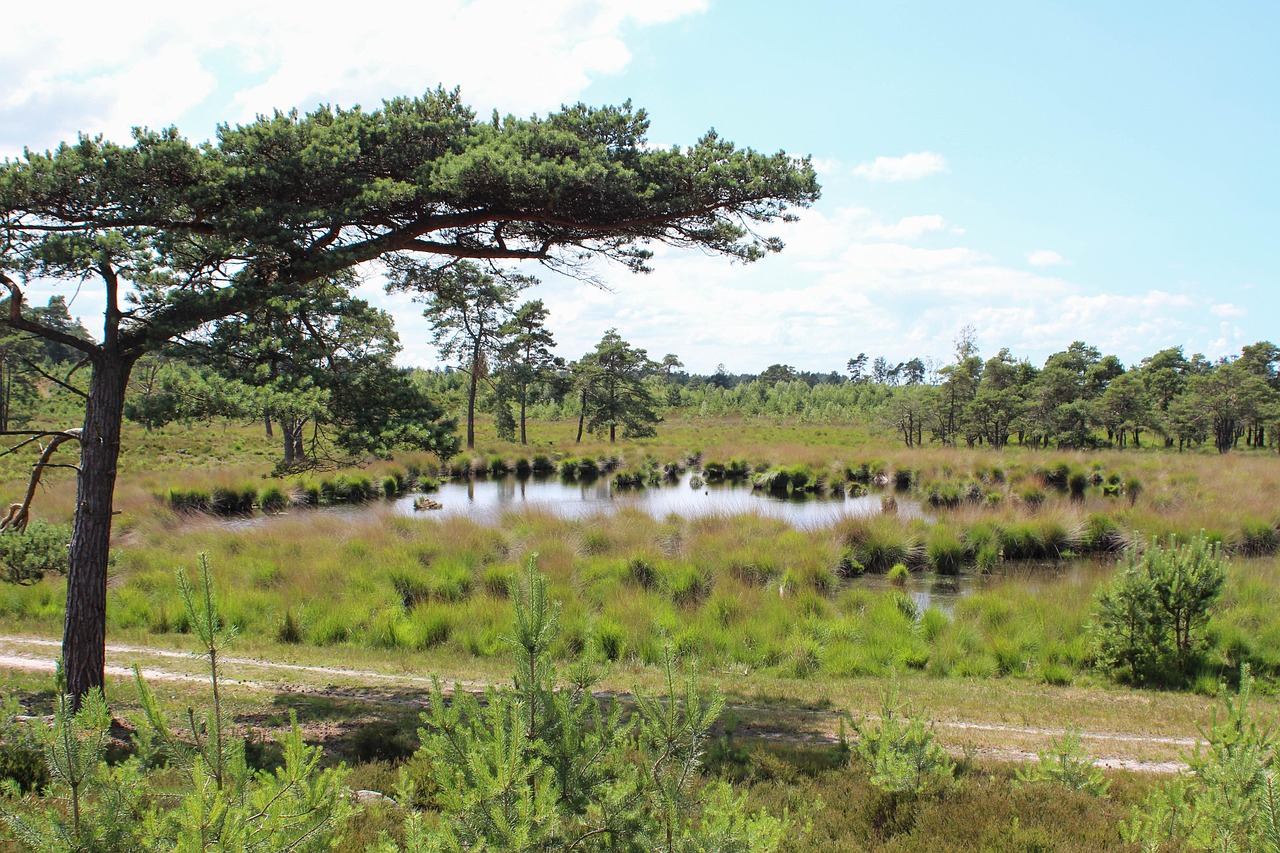
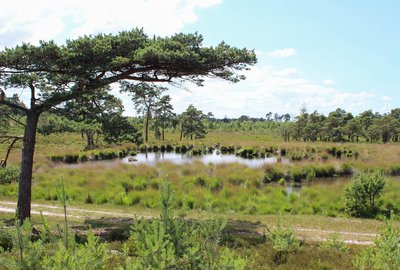
Heathlands are dynamic landscapes that change dramatically with the seasons. Each month brings new sights, sounds, and smells, offering something for every nature enthusiast. Whether you are a birder, a botanist, or simply someone who enjoys a good walk, timing your visit to coincide with seasonal highlights can transform your experience. Here is a guide to the heathland year, from the first signs of spring to the quiet beauty of winter.
Spring: Awakening and Arrivals
Spring arrives slowly on the heath. In March, the first skylarks rise, their endless song pouring down from a height. Lapwings perform their tumbling display flights over open ground, their peewit calls carrying on the wind. By April, the heather begins to show new green shoots, and the first insects emerge. Look for the green hairstreak butterfly, a small, elusive species that lays its eggs on gorse. Its emerald wings blend perfectly with the fresh foliage. Adders emerge from hibernation, basking on sunny patches to warm up. These snakes are shy and venomous, so admire them from a distance and never attempt to handle them.
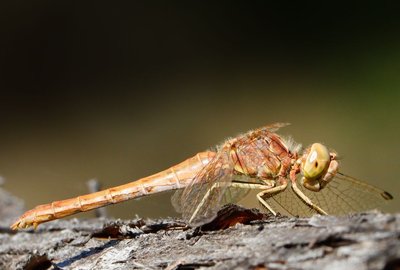
May is the peak of spring. The heath is alive with birdsong—willow warblers, whitethroats, and stonechats all compete for attention. Nightjars return from Africa, their churring song filling the twilight. Cuckoos call from the scrub, and hobbies hawk for dragonflies over pools. Wildflowers such as tormentil and milkwort add splashes of yellow and blue. It is a magical time to be out, but be prepared for changeable weather—spring showers are common.
Summer: Purple Haze and Aerial Acrobatics
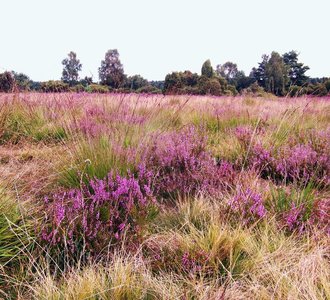
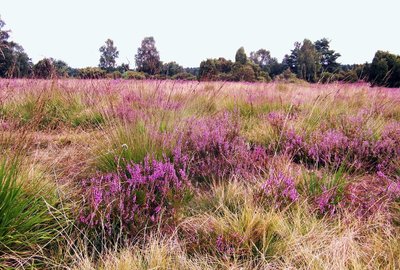
By July, the heather is in full bloom, turning the landscape into a sea of purple. This is the heathland’s signature moment. Bees, butterflies, and hoverflies swarm the flowers, and the air is filled with the hum of insects. Silver-studded blue butterflies flutter low over the vegetation, their iridescent wings catching the sun. Dragonflies and damselflies patrol the pools, and hobbies and kestrels hunt above. Reptiles—common lizards, slow worms, and adders—are at their most active, basking and hunting.
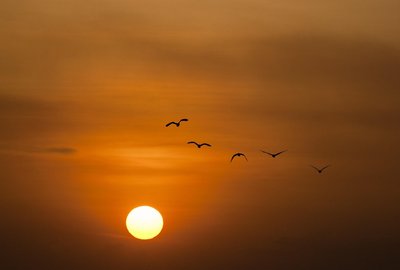
August brings the first signs of autumn. Heather seed heads form, and the purple fades to brown. Migrant birds begin to gather, preparing for their journey south. It is a great time for a leisurely walk, enjoying the warm days and the abundance of life. Just remember to bring water and sun protection, as heathlands offer little shade.
Autumn and Winter: Quiet Beauty and Hidden Life
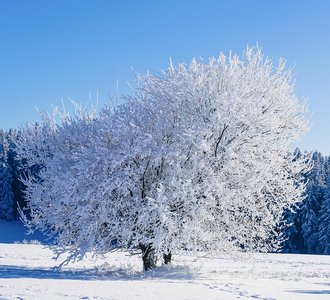
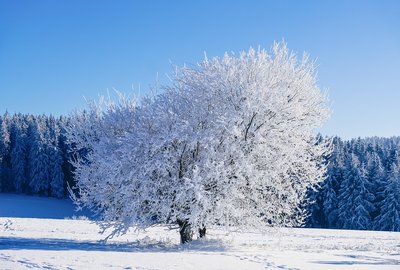
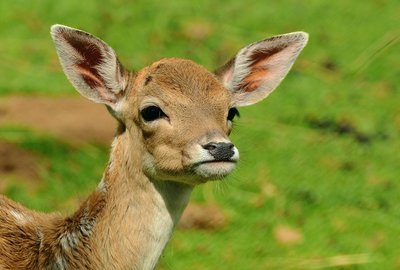
Autumn is a time of change. The heather turns a rich russet, and the birch and oak scrub glows gold. Fungi appear—fly agaric with its red cap and white spots, and the earthy-smelling birch bolete. Deer are more visible as they move to find mates, and the rutting season brings clashes between males. Winter may seem barren, but it has its own charms. Frost outlines every twig, and the low sun casts long shadows. Look for tracks in the mud or snow—deer, fox, and rabbit prints tell stories of nighttime wanderings. Flocks of wintering birds, such as redwings and fieldfares, feed on berries. The heath is quieter, but no less alive.
No matter the season, the heathland offers a chance to connect with nature. Dress for the weather, bring binoculars, and take your time. Each visit reveals something new, and the changing seasons ensure that the heath is never the same twice.


Heathland Herald
Across Europe, conservationists are working to restore degraded heathlands, reversing decades of neglect and destruction.