

Nightjars: The Birds That Churr in the Twilight
Wildlife | October 1, 2026
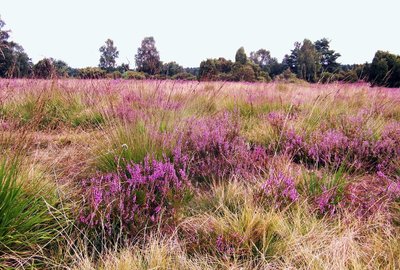
There is a moment on a warm June evening when the heath goes quiet—and then, from somewhere out in the darkening scrub, a sound starts. It is not quite a purr, not quite a whirr: a low, mechanical churr that rises and falls, seeming to come from everywhere and nowhere at once. It is the song of the European nightjar, and once you have heard it, you never quite forget it.
Nightjars are among the strangest and most secretive birds in the heathland calendar. They arrive from sub-Saharan Africa in late spring, having crossed deserts and seas, and they spend the summer almost invisible by day. Their plumage is a masterpiece of camouflage: mottled greys, browns, and buffs that dissolve against leaf litter, bracken, and bare earth. A nightjar sitting on a log can be a metre away and still completely undetectable until it decides to move.
A Life Lived at Dusk
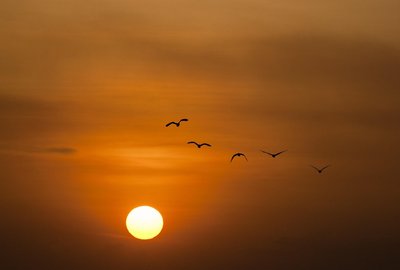
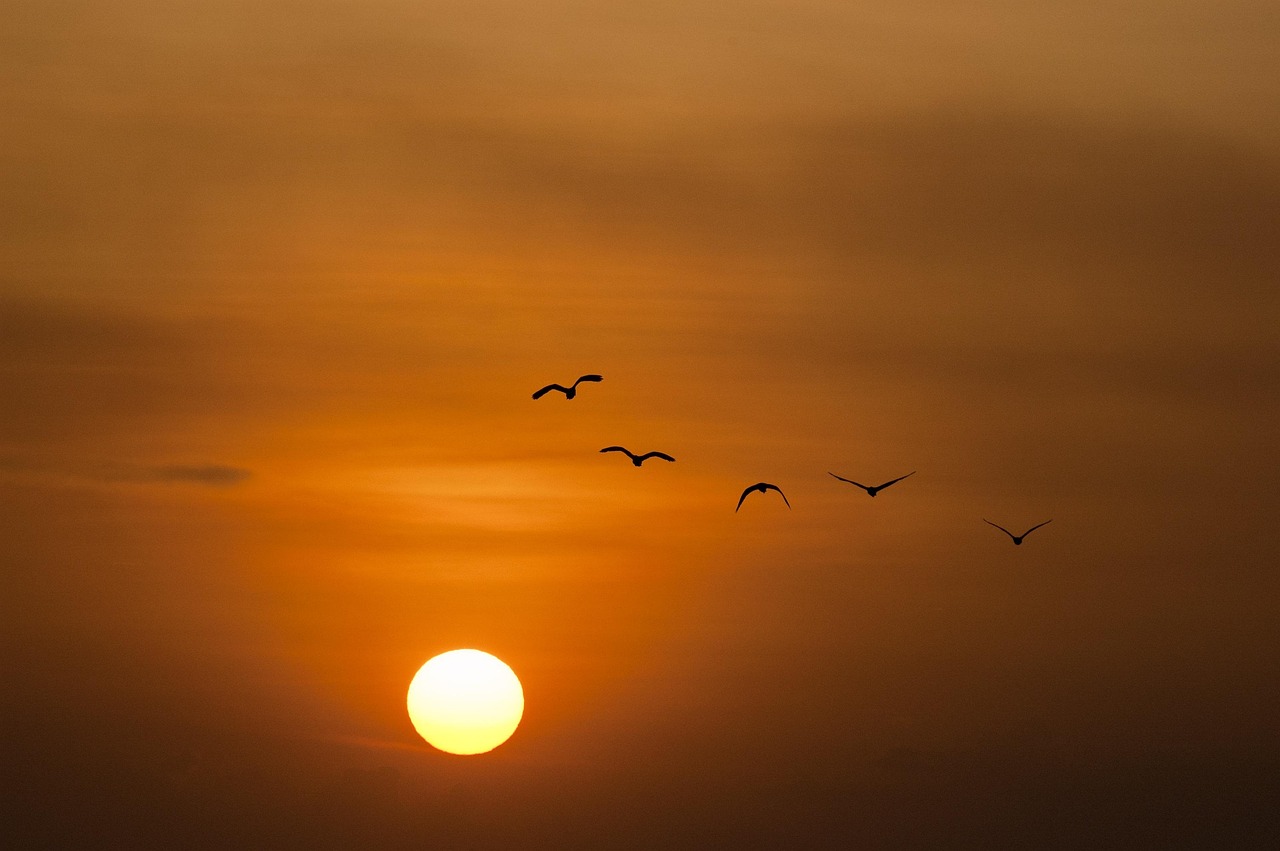
Because they are so hard to see, nightjars are best known by their voices and their silhouettes. At dusk, males take up song posts on favoured branches and begin to churr, sometimes for minutes at a time. When they fly, they look oddly falcon-like—long, pointed wings, a long tail, and a buoyant, almost bat-like flutter. Watch one hunting and you will see it twist and turn over the heather, scooping up moths, beetles, and other night-flying insects with a wide, bristled mouth.
Their nesting habits are equally understated. Nightjars do not build nests. The female lays her eggs directly on the ground, usually among bracken or heather, and relies entirely on camouflage and stillness to protect them. This makes them extraordinarily vulnerable to disturbance—a dog off the lead, a walker straying from the path, or a photographer getting too close can cause a bird to flush and leave the eggs exposed to crows and foxes.
The chicks, when they hatch, are equally cryptic, looking like small balls of mottled fluff. For the first days of their lives they barely move, and the female may even carry them short distances if she needs to relocate them.
Why Heathland Matters to Them
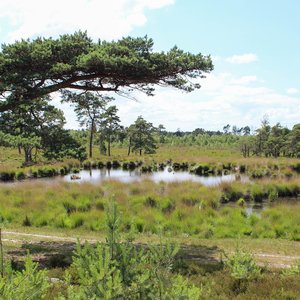
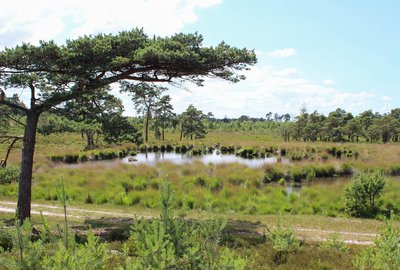
Nightjars need open, insect-rich habitat with scattered trees for song posts and bare ground for nesting. Heathland, especially when it is grazed or managed to create a mosaic of low vegetation and open patches, is close to ideal. The same is true of recently felled conifer plantations and clearings within forestry, which is why some nightjar populations have shifted into working forests as traditional heathland has declined.
That decline is the central concern. Lowland heath has shrunk dramatically over the past two centuries, and with it the nightjar's traditional strongholds. Conservation efforts—grazing, scrub control, careful recreation management—have helped some populations recover, but the bird remains a species of real concern. Its presence is a useful indicator: if nightjars are churring, the heath is probably in reasonable shape.
If you go looking for them, go gently. Arrive before dusk, find a quiet spot on the edge of open heath, and wait. Bring a torch but use it sparingly. Listen for the first churr, then for the soft 'coo-ick' of a bird in flight. Resist the urge to walk into the nesting area. The reward is not a close view but the experience of standing in the half-light, listening to a sound that has been part of the heath for thousands of years—and doing your small part to make sure it stays.
-

-
The Hidden World Beneath the Heather: Uncovering Heathland Soil Life
Sep 4, 2026Outdoor Exploration

-


Heathland Herald
Not all purple is the same—learning to tell heather apart opens up a whole new way of reading the heath.