


Dragonflies and Damselflies: Jewels of the Heathland Pools
Wildlife | September 16, 2026
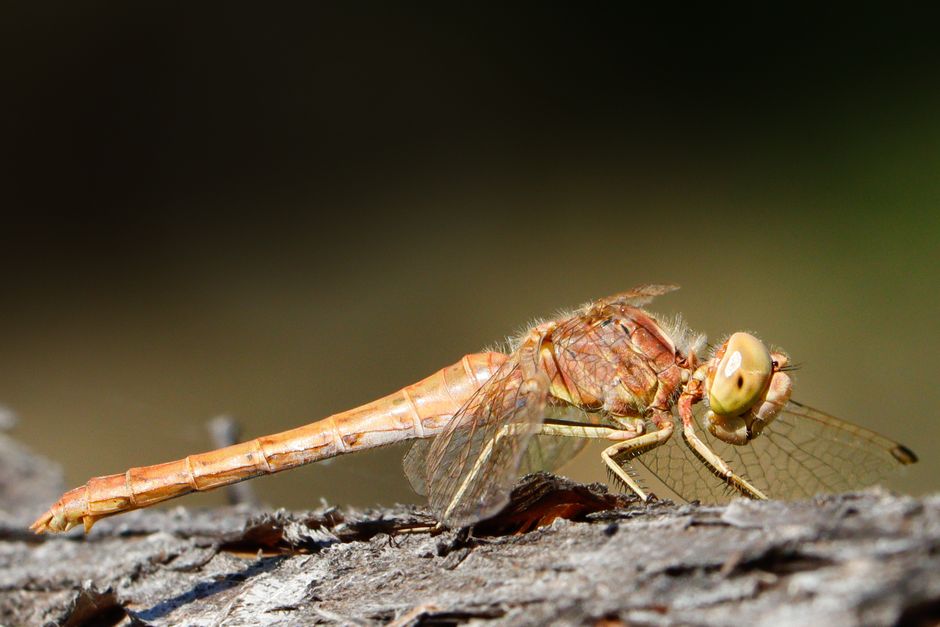
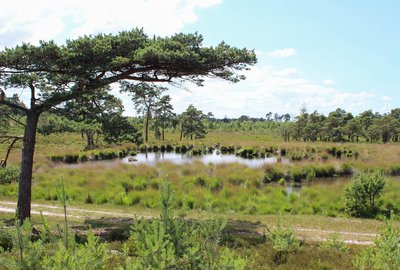
On a warm summer day, the still, peaty pools that dot many heathlands come alive with flashes of iridescent blue, green, and red. These are dragonflies and damselflies, ancient insects that have been patrolling wetlands for over 300 million years. Their presence is a sign of a healthy heathland, as their larvae require clean, unpolluted water and their adult lives depend on abundant insect prey. For the wildlife watcher, they offer a captivating spectacle that is easy to enjoy once you know what to look for.
Telling Dragons from Damsels
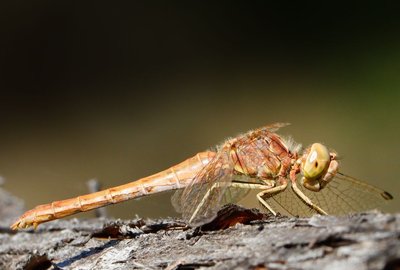
At first glance, dragonflies and damselflies look similar—both have long, slender bodies, large compound eyes, and two pairs of transparent wings. But a closer look reveals clear differences. Dragonflies are generally larger and stouter. At rest, they hold their wings open, perpendicular to their body. Their eyes are usually so large that they meet in the middle of the head. Damselflies are more delicate, with a thinner body. When resting, most species fold their wings back along the abdomen. Their eyes are separated, giving them a slightly bug-eyed appearance. These distinctions are easy to master and will instantly improve your identification skills.
Heathland specialists include the black darter, a small dragonfly with a dark, almost black body and yellow spots. The males develop a blue bloom on their abdomen as they mature. The keeled skimmer, with its ochre-yellow body and distinctive keel-shaped abdomen, is another heathland favourite, often seen basking on bare ground or flying low over pools. Among damselflies, the small red damselfly is a true heathland gem, its bright crimson body standing out against dark bog pools. The scarce blue-tailed damselfly is another specialist, found in only a few heathland sites.
Life Cycle and Hunting Strategies
Dragonflies and damselflies spend the first part of their lives underwater as larvae, or nymphs. These aquatic predators feed on tadpoles, small fish, and other invertebrates, ambushing prey with a specialised hinged jaw that shoots out to grab victims. Depending on the species, the larval stage can last from a few months to several years. When ready, the nymph climbs up a stem or rock and emerges from its old skin, unfurling its wings for the first time. This emergence is a vulnerable moment, and many are picked off by birds or spiders.
As adults, they become aerial acrobats. Dragonflies are powerful fliers, capable of hovering, darting, and even flying backwards. They hunt on the wing, catching mosquitoes, midges, and other small insects with their bristly legs, which form a basket-like trap. Their large eyes give them nearly 360-degree vision, making them formidable predators. Damselflies are weaker fliers, often plucking prey from vegetation. Both groups are important in controlling insect populations, including those that bite humans.
To enjoy these jewels of the heath, visit a sunny day in July or August. Sit quietly by a pool and watch for territorial males chasing rivals, or females dipping their abdomens into the water to lay eggs. Bring binoculars for a closer look, but even without them, the aerial ballet is a joy to behold. Conserving these insects means protecting their breeding pools from pollution, drainage, and encroachment—a task that benefits the entire heathland community.


-
The Hidden World Beneath the Heather: Uncovering Heathland Soil Life
Sep 27, 2026Outdoor Exploration

-

-

Heathland Herald

From elusive deer to tiny shrews, heathlands support a surprising diversity of mammals that mostly go unseen.