




The Hidden World Beneath the Heather: Uncovering Heathland Soil Life
Ecology | September 19, 2026
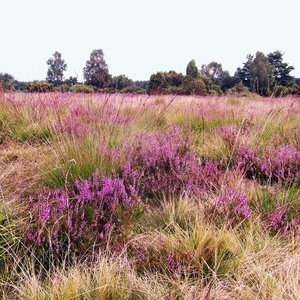
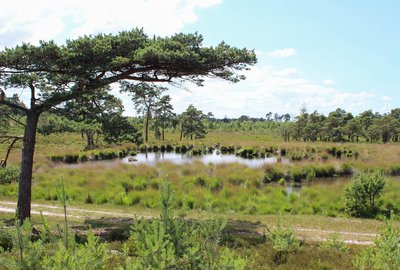
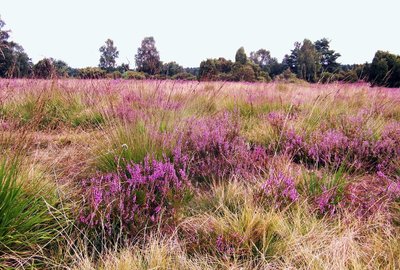
When most people picture a heathland, they imagine rolling hills carpeted in purple heather, the air humming with bees and the distant call of a curlew. But the true foundation of this vibrant landscape lies hidden beneath our feet. The soil of a heathland is a living, breathing world of its own—a complex web of fungi, bacteria, insects, and microscopic organisms that quietly drive the entire ecosystem. Understanding this subterranean realm is key to appreciating why heathlands are so special, and why they are so vulnerable.
The Unseen Engineers: Fungi and Bacteria
Heathland soils are typically acidic, sandy, and nutrient-poor. This might sound inhospitable, but it is precisely these conditions that allow heather and other ericaceous plants to thrive. Central to their success is a partnership with mycorrhizal fungi. These fungi form a symbiotic relationship with heather roots, extending thread-like hyphae into the soil to unlock nutrients that would otherwise be unavailable. In return, the plant provides the fungi with sugars produced through photosynthesis. This partnership is so efficient that heathlands can flourish on soils that would starve most other plants.
Bacteria also play a crucial role. They decompose organic matter, releasing nutrients slowly and steadily. Because heathland soils are acidic and often waterlogged, decomposition is slow, leading to the accumulation of peat—a thick, dark layer of partially decayed plant material. This peat acts as a massive carbon store, making heathlands important players in the fight against climate change. Disturbing these soils, whether through ploughing, drainage, or development, releases that stored carbon back into the atmosphere, contributing to global warming.
Life in the Leaf Litter
Above the mineral soil lies the litter layer—a jumble of dead leaves, stems, and seeds. This is the domain of countless invertebrates. Springtails, mites, and nematodes graze on decaying plant matter and fungi, while predatory beetles and centipedes hunt them. Earthworms are less common in acidic heathland soils, but where they do occur, they mix organic matter into the soil, improving its structure. Ants build nests that aerate the soil and create microhabitats for other species. Even the humble woodlouse plays a part, fragmenting dead plant material and making it more accessible to microbial decomposers.
These invertebrates are the base of a food chain that supports birds, mammals, and reptiles. A healthy soil community means a healthy heathland above ground. Conversely, pollution, excessive trampling, or chemical runoff can devastate this hidden world, with effects that ripple upwards. For example, nitrogen deposition from car exhausts and agriculture can enrich the soil, favouring grasses over heather and throwing the ecosystem out of balance.
Next time you walk across a heath, pause and consider the ground beneath you. It may look like little more than sand and roots, but it is a bustling metropolis of life, working tirelessly to keep the heathland alive. Protecting this unseen world is just as important as protecting the birds and flowers we see. Conservation starts from the ground up—literally.


-
After the Fire: How Heathland Recovers and Why It Sometimes Needs a Spark
Sep 23, 2026Outdoor Exploration

-

-

Heathland Herald
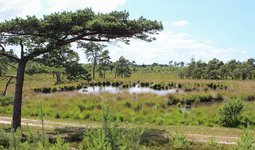
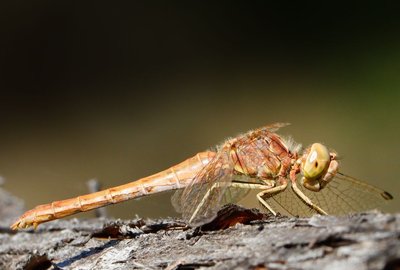
The acidic pools and boggy hollows of heathlands are hunting grounds for some of our most dazzling aerial predators.