




Reading the Heath: A Beginner's Guide to Heather Species
Nature | September 28, 2026
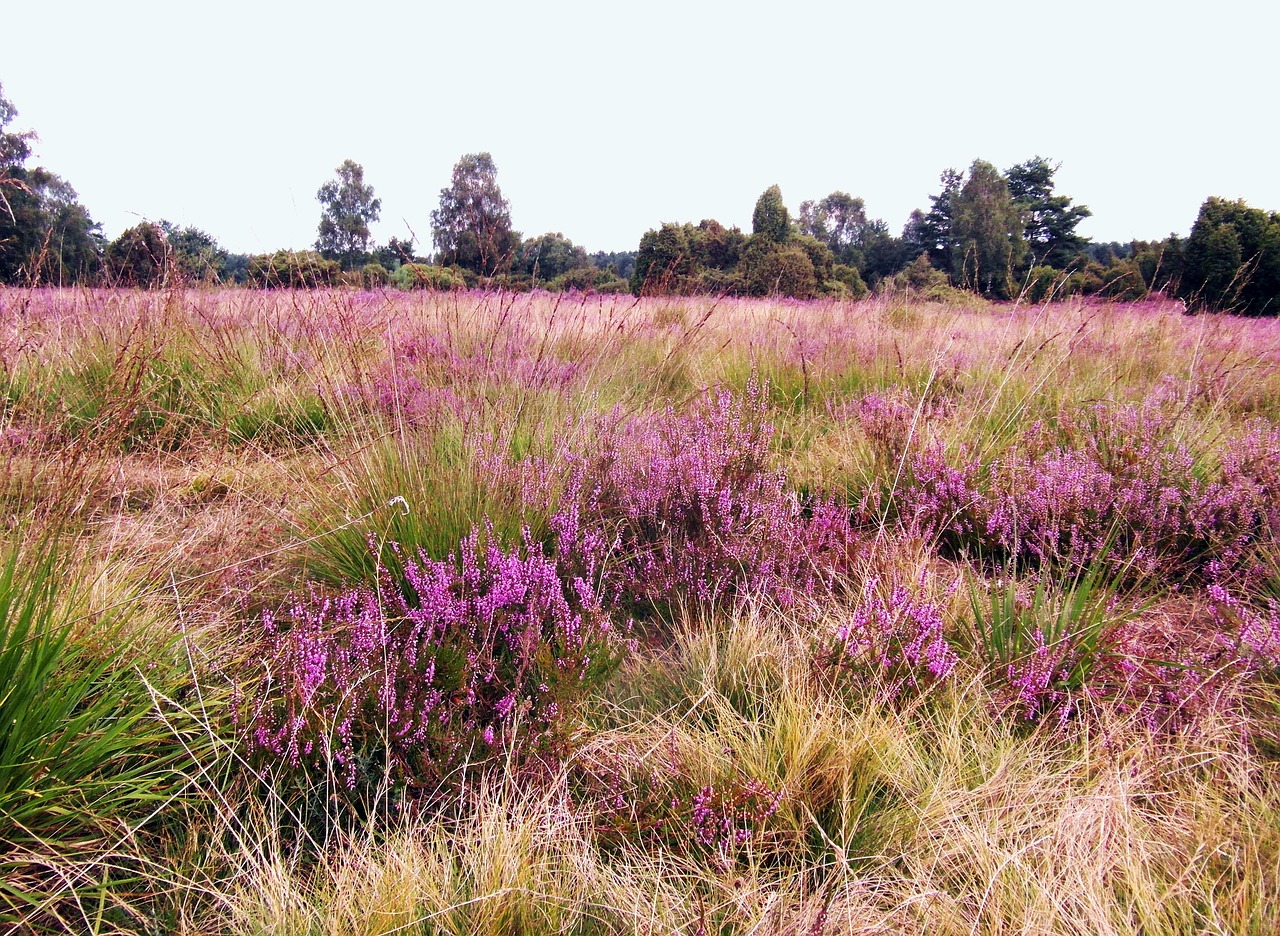
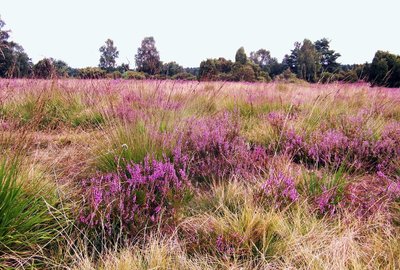
To a casual visitor, late-summer heathland is a single wash of purple. To anyone who spends time on the heath, it is a patchwork of different plants, each with its own texture, season, and preferences. Learning to tell the heathers apart is one of the most rewarding first steps into understanding these landscapes—and it takes nothing more than a willingness to look closely.
The confusion is understandable, because the word 'heather' is used loosely for several plants that are not all closely related. In Britain alone, three main species dominate: heather itself, bell heather, and cross-leaved heath. Each has a distinct look, a distinct flowering time, and a distinct ecological role.
The Three Main Characters
Heather (Calluna vulgaris) is the classic. It is the plant most people mean when they say 'heather', and it is the backbone of lowland and upland heath. Its flowers are small, pale pink to lilac, and packed densely along upright stems. It typically blooms from late July into September. Look for its tiny, scale-like leaves arranged in overlapping rows along the stem—nothing like the needle leaves of its relatives. Heather is long-lived and forms the hummocky, uneven structure that gives heathland its characteristic look.
Bell heather (Erica cinerea) is the show-off. Its flowers are a deep, saturated magenta-purple, bell-shaped, and often clustered at the tips of the stems. It usually flowers earlier than heather, from June into August, and it prefers drier, shallower soils. Where bell heather grows, the ground is often well-drained and the vegetation a little shorter. Its leaves are needle-like and arranged in whorls of three.
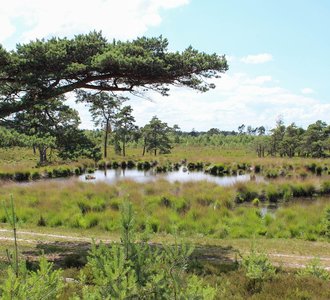
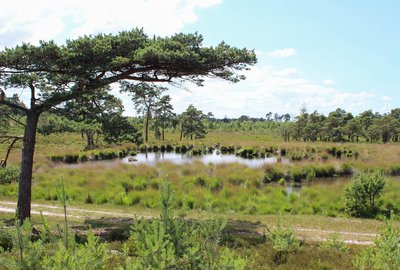
Cross-leaved heath (Erica tetralix) is the wetter-loving cousin. Its flowers are pale pink, sometimes almost white, and shaped like small urns or bells clustered at the top of the stem. It flowers from July into September. Its leaves, as the name suggests, grow in distinctive cross-like whorls of four around the stem, and its foliage often has a greyish, downy look. Find it in damp hollows, along ditch edges, and in the wetter parts of the heath.
Why the Differences Matter
Once you can separate these three, the heath starts to tell you about itself. A slope covered in bell heather is likely dry and free-draining. A hollow full of cross-leaved heath is wet, at least seasonally, and may support bog species like cotton grass and sundews. Dense stands of heather suggest older, less frequently burned or grazed ground; short, mixed patches suggest active management.
The differences matter for wildlife too. Bell heather is a favourite nectar source for bees and butterflies early in the season. Cross-leaved heath supports specialised invertebrates of wet heath. Heather itself provides nesting cover for birds like the Dartford warbler and food for caterpillars of the emperor moth and the silver-studded blue butterfly.
There is no need to become a botanist to enjoy this. Start with one plant: pick a patch of heather and look at a single stem. Are the leaves tiny and scale-like? Are the flowers pale and tightly packed? You are probably looking at Calluna. If the flowers are deep purple and bell-shaped, it is likely Erica cinerea. If they are pale and clustered with cross-shaped leaves, it is Erica tetralix. Three plants, three stories, and a heath that suddenly makes much more sense.


Heathland Herald
Winter strips the heath back to its bones—and that is exactly when its structure, wildlife, and atmosphere are easiest to appreciate.