
Heathland Restoration: Bringing Back a Lost Landscape
Conservation | September 7, 2026

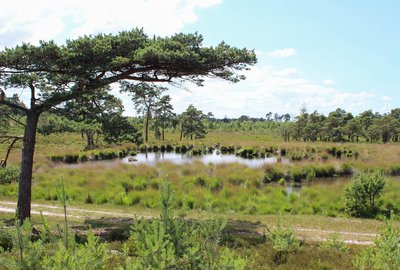
Heathlands are among the rarest habitats in the world. In the UK, for example, we have lost over 80% of our lowland heath in the last two centuries. Once widespread, these landscapes were created by generations of farmers and commoners who grazed livestock, cut turf, and harvested bracken. When these traditional practices ceased, heathlands were invaded by scrub and trees, or converted to farmland, forestry, and housing. Today, dedicated conservationists are fighting to restore what remains and recreate heathland where it has been lost. Their work is challenging, but it offers hope for the future.
The Tools of Restoration
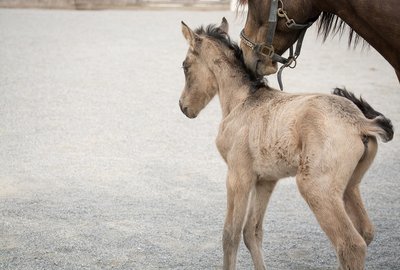
Restoring a heathland is not simply a matter of leaving it alone. Without intervention, most heathlands would quickly revert to woodland. Conservationists use a range of techniques to mimic the old management practices. Grazing is one of the most effective. Cattle, sheep, and ponies are reintroduced to browse on scrub and grasses, keeping the heather open and diverse. Different animals have different grazing habits—ponies tend to graze on grasses, while cattle are less selective and can help control bracken. Choosing the right mix of animals is a delicate balancing act.
Where grazing is not practical, mechanical cutting is used. Tractors with flails or mowers cut back scrub and mature heather, encouraging new growth. Controlled burning, known as swaling, is sometimes employed, but it must be done carefully to avoid damaging peat and killing wildlife. In some cases, the topsoil is stripped away to remove nutrients that have accumulated from atmospheric pollution. This exposes the underlying seed bank, allowing heather and other heathland plants to regenerate. This technique, called turf stripping, is dramatic but effective.
Reintroducing missing species is another key step. Many heathlands have lost their specialist plants and insects. Conservationists may sow heather seed, plant plugs, or translocate rare species from donor sites. For example, the large marsh grasshopper, once extinct in some regions, has been reintroduced to restored heaths. These efforts require careful monitoring to ensure the species establish and thrive.
Challenges and Successes
Restoration is not without its difficulties. Nitrogen pollution from agriculture and vehicles enriches the soil, favouring grasses and weeds over heather. Climate change brings new threats, such as increased drought and wildfire risk. Public pressure for development continues to fragment remaining heathlands. Funding is often scarce, and restoration projects can take decades to show results. Yet there are success stories. The Dorset Heaths, once severely degraded, are now a stronghold for rare species like the sand lizard and the smooth snake, thanks to decades of restoration work. In the Netherlands, large-scale projects have recreated heathland on former farmland, providing habitat for birds like the nightjar and woodlark.
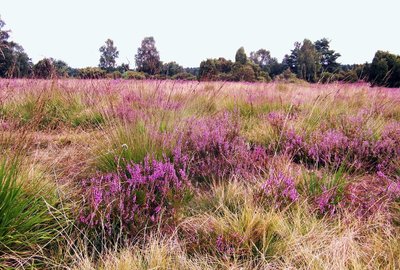
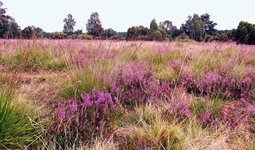
These successes show that with commitment and resources, heathland can be brought back. But restoration is not just about ecology—it is about people. Volunteers play a vital role in practical work, from scrub bashing to seed collection. Local communities are reconnecting with their heathland heritage, learning about the cultural history that shaped these landscapes. By supporting conservation organisations, volunteering, or simply visiting and respecting these sites, you can be part of the effort to ensure that heathlands survive for future generations. The purple haze of a restored heath is a testament to what we can achieve when we work together.
-

-
Walking the Heath in Winter: What to Look For When the Purple Is Gone
Sep 6, 2026Outdoor Exploration

-


Heathland Herald
Sheep, ponies, and cattle are not just charming additions to the heath—they are the living tools that keep it from vanishing into scrub.